


Shropshire Council left with £4.3m shortfall following government funding settlement
Shropshire Council has expressed its profound disappointment after the Government confirmed a final funding settlement that leaves the local authority in a significantly worse position than originally anticipated.
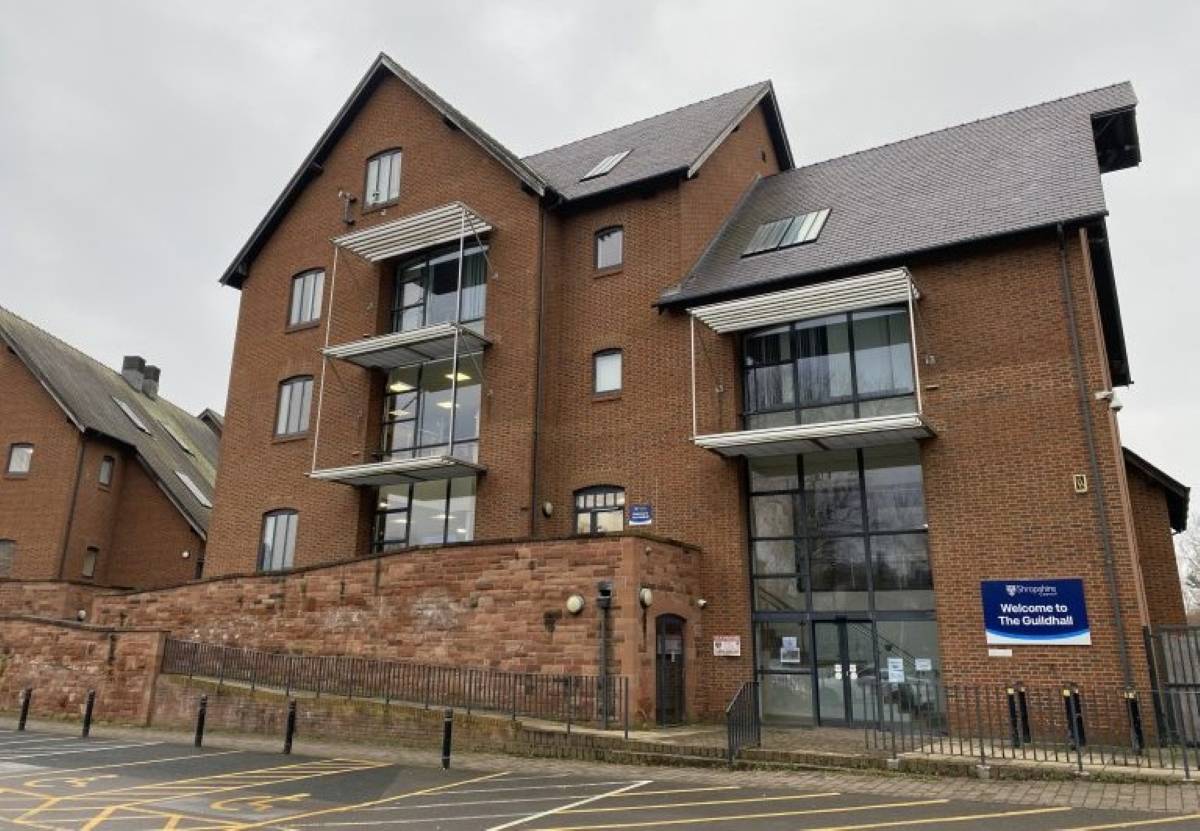
The announcement reveals that the council will receive £4.3 million less in the coming financial year than was projected in its draft budget plans last October.
Despite a formal consultation period where Shropshire leaders raised serious concerns regarding the fairness of rural funding, the final decision offers no improvement for the county.
The authority has long argued that the costs of providing essential services—ranging from social care to waste collection - are disproportionately high in large, sparsely populated areas. Shropshire faces a particular challenge with its ageing population; 26.4% of residents are aged 65 or over, compared to a national average of 18.7%.
The reduction in central support, coupled with high inflation and a rising demand for adult and children’s social care, has pushed the council toward drastic measures.
In an attempt to mitigate the crisis, Ministers have granted the council special permission to increase Council Tax by up to 4% above the standard 4.99% cap. If approved by the Full Council later this month, residents could face a total hike of 8.99% in their annual bills.
Councillor Heather Kidd, Leader of Shropshire Council, warned that the settlement fails to acknowledge the reality of rural governance and leaves the authority with few options but to increase its debt.
“The Government has let Shropshire down again with this funding settlement, despite repeated promises to address the long‑standing gap between rural authorities and our urban counterparts. This latest reduction in government support deepens the structural deficit we are already facing and places even greater pressure on our ability to deliver essential services,” Councillor Kidd said.
“We are now £4.3 million worse off in next year than projected in October. Ministers have ignored the significantly higher cost of delivering services in a large rural county and have removed funding for remoteness factor. The consequences for rural services will be stark.
“Yesterday we were given permission by the Government to increase Council Tax by a up to 4%, although this is a decision which will be considered and made by Full Council later this month.
“If this were to be approved, an 8.99% increase would generate an extra £8.8million in much‑needed income. However, even with this additional revenue, the financial challenges we face remain significant. Inflation, rising costs, and growing demand - particularly within social care - continue to increase year on year. Council Tax alone cannot keep pace with these pressures, and ongoing reductions in government funding widen the deficit further.
“In reality, this leaves us with no choice but to borrow up to £121 million from the Government as part of our Exceptional Financial Support (EFS) ask, significantly increasing our long‑term debt.
“With limited ability to increase our Core Spending Power and more statutory duties being passed to councils without the funding to deliver them, borrowing remains the only option to bridge the immediate gap.”
Without a fundamental shift in the national funding model to account for "sparsity" and the true cost of service delivery in the countryside, the council warns that Shropshire will remain at a substantial disadvantage compared to urban authorities.




