

Shropshire Council ends financial year £34m over budget amid soaring social care costs
Shropshire Council has concluded the latest financial year with a £34 million overspend, according to recently released end-of-year figures.
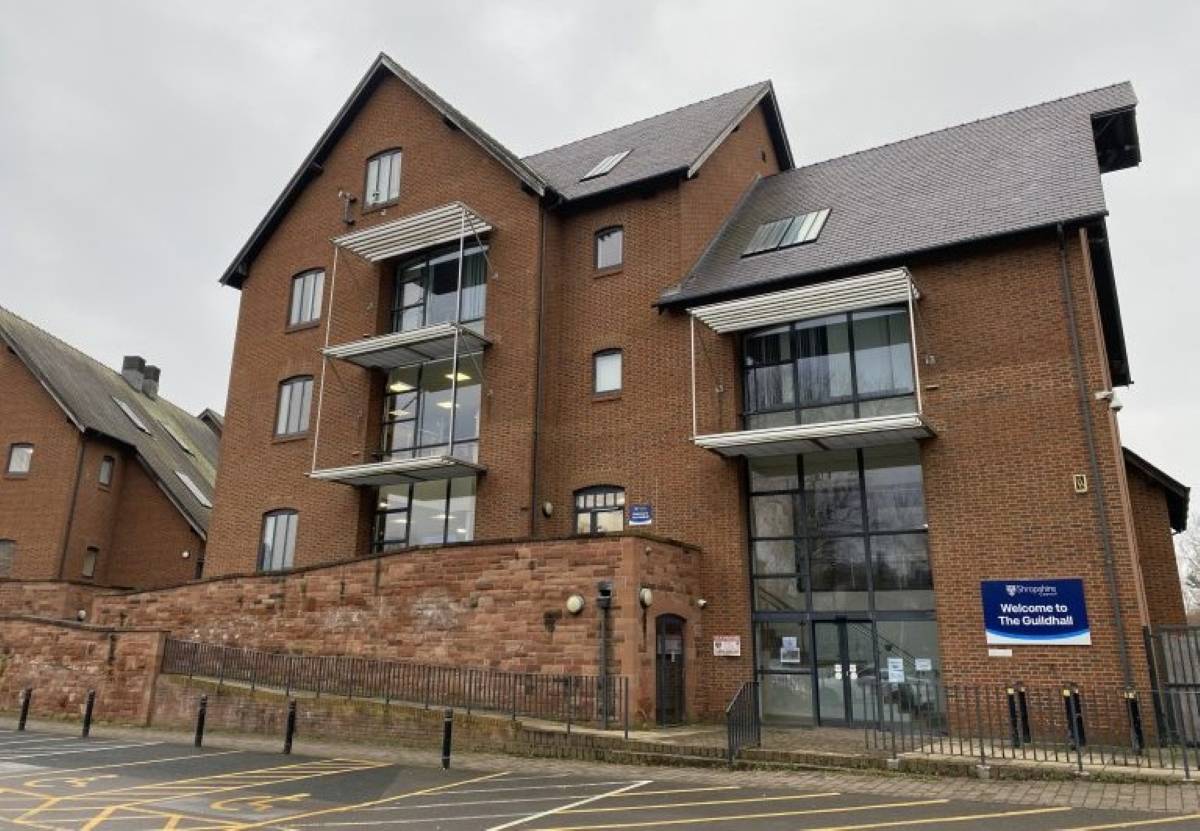
Despite implementing just over £47 million in savings – a figure representing approximately 18% of the council’s net budget, one of the highest proportions among English councils – the authority continues to grapple with escalating costs, particularly in social care.
The council’s final budget position mirrors the forecast made earlier this spring, with rising expenditures in children’s and adult social care identified as the primary drivers of the deficit.
A report presented to the council’s Transformation and Improvement Overview and Scrutiny Committee and Cabinet detailed significant increases, including a 28% rise in residential care placements for children and a growing demand for transport for children with education, care, and health plans needing special education.
Additionally, adult care placement costs have climbed, while income levels have been negatively impacted by lower-than-expected NHS funding. Overspends were also recorded in services under the former Place directorate.
In February 2025, the council approved plans to cut spending by a further £19 million this year, alongside unachieved savings from the previous year, aiming to close the budget gap by over £60 million.
The report also highlighted a critical reliance on council reserves – funds typically held for emergencies or earmarked for specific uses – to balance the budget. As a result, the council’s General Fund Balance has dropped to under £5 million, a level considered inadequate for an authority of Shropshire’s size. Efforts in the new financial year will focus on increasing these reserves, with a target of reaching a minimum of £15 million.
Councillor Roger Evans, Shropshire Council’s Cabinet member for finance, underscored the severity of the situation. "The year end position further underlines the near impossible situation the council faces," he stated. "We already know almost £4 in every £5 we spend goes on protecting the most vulnerable in our county – children and adults who we must by law provide social care for."
Councillor Evans acknowledged the "record levels of savings" achieved by council officers, noting that, proportionately, these were higher than any other council. However, he cautioned that "this pressure will only continue and with an ever-aging population requiring more care, the situation will not improve."
He confirmed that the council is "re-examining the budget and are working on plans to achieve the savings we must make to bring the budget back into balance and replenish reserves to a minimum safe level." This will necessitate "more tough decisions and likely some reductions in service or people needing to pay more for some other services."
Councillor Evans concluded by reiterating the council's call for government intervention: "To do this we are also pushing the Government to change how it funds social care and to stop penalising large sparsely populated counties like Shropshire, as this year’s settlement did, where it costs more to run many services.”